Tech · Report Line
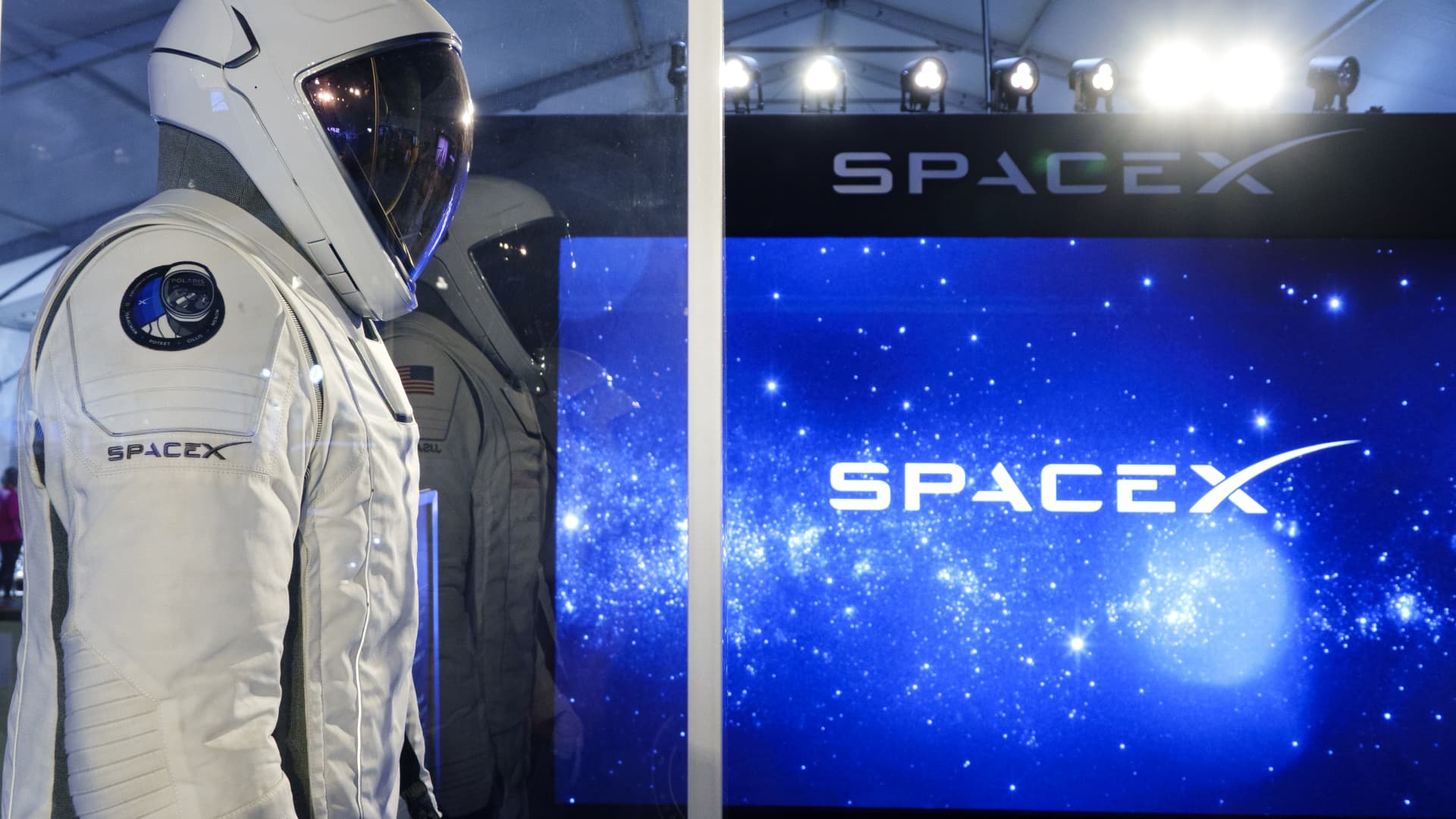
A SpaceX space suit is displayed at an exhibit at The Great American State Fair on July 2, 2026 in Washington, DC. Kevin Carter | Getty Images Hello, this is Hui Jie writing to you from Singapore. Welcome to another edition of CNBC's Daily Open.
Elon Musk is a man with many companies, but is now considering merging two of these, SpaceX and Tesla, saying that there could be potential cooperation across software, chips and more. Over in the artificial intelligence space, investors are also increasingly wary of the massive amounts of money being poured into data centers. What you need to know today SpaceX makes rockets and satellites, while Tesla makes electric cars.
Both have increasingly ambitious plans for artificial intelligence. Soon, they may be part of the same universe. On Tuesday stateside, Elon Musk said during SpaceX’s third-quarter earnings call that combining the two companies would be a “good idea,” adding that their boards had formed special committees to discuss a potential merger.
Musk said there was considerable merit in bringing the businesses together, but he will not participate in the committees’ deliberations because he is a “conflicted party.” SpaceX itself reported third-quarter results that beat expectations, with revenue of $14.58 billion, exceeding the $12.72 billion expected by analysts. Adjusted earnings came in at 45 cents per share, also sharply beating forecasts of 13 cents. Musk's companies may be making headlines for their business performance, but Musk himself is facing accusations of hamstringing Ukraine's military as it continues to fight off the Russian invasion.
Musk ordered a slowdown of a version of SpaceX's Starlink that Ukraine has relied on in its war against Russia, The Wall Street Journal reported, citing U.S. officials and people familiar with the matter. The SpaceX CEO "capped the speeds at which Ukrainian hardware could stay connected to the satellite-based network," the Journal reported. The decision left some Ukrainian drones virtually inoperable, according to the newspaper.
One of the people who spoke with the news outlet claimed that Musk discussed the matter with multiple senior Trump administration officials, including the president himself, before imposing the Starlink speed cap. The AI bill comes calling While some investors cautiously dipped their toes back into the tech sector, there were some signs that enthusiasm is not universal across the entire AI sector. Shares of Australian data center operator NextDC plunged nearly 40% after it sharply lowered its fiscal 2027 earnings forecast, citing delays in obtaining additional power for its Melbourne facility.
The company cut its revenue outlook to between 475 million and 500 million Australian dollars, from a previous range of A$615 million to A$640 million. It also substantially reduced its underlying earnings forecast. In South Korea, AI cloud and data center operator Elice provided another sign of volatility.
Its shares plunged 32% on their market debut Tuesday, before rebounding by nearly 30% Wednesday. Japan's exports slow In another sign of how enthusiasm for the AI sector can vary, Japan's exports in September rose 16.7% from a year earlier, missing market expectations by a huge margin after Reuters-polled analysts had pegged exports growth at 20.1%. This was the second straight month that Japan's export growth slowed, after hitting a near four-year high in July.
But growth was supported by continued strength in semiconductor exports, with shipments rising 49.4% year on year by value. Machinery exports also bolstered growth, with shipments of semiconductor-related machinery up 43.9% and power generation machinery exports climbing 22.6%. This week, CNBC will bring you interviews from some of tech's biggest names from Nvidia's GTC Berlin 2026 conference, including Chase Lochmiller, CEO of AI infrastructure and energy company Crusoe and Marc Boroditsky, Chief Revenue Officer of AI infrastructure firm Nebius. — Lim Hui Jie And finally...
The world’s finance chiefs see new risks — and less China angst The world's finance chiefs spent last week in Bangkok debating the biggest risk facing the global economy — with debt, artificial intelligence and trade imbalances topping the list. Meanwhile, China, long a major risk factor in these discussions, was no longer at the top of the worry list. CNBC was at the International Monetary Fund and World Bank Group annual meetings.
Check out what our reporters found were the top priorities among financial leaders. — Anniek Bao, Evelyn Cheng
Source: CNBC